
How we approach urological cancer treatment in Thane
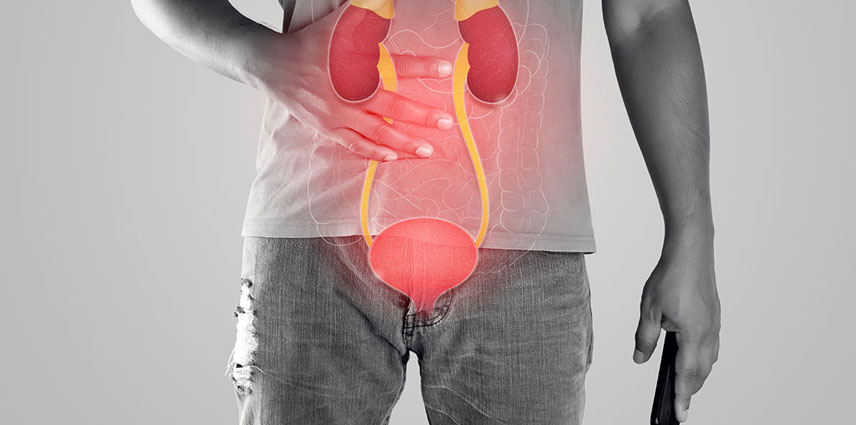
Urological cancers affect the kidney, ureter, bladder, prostate, testis and adrenal glands. They can be quiet in the early stages, and many kidney tumours are now found by chance during an ultrasound or CT scan done for another reason. Painless blood in the urine, even if it happens once, is a warning sign that should always be investigated.
Treatment is planned jointly between the surgical oncologist, the urologist and, where needed, the medical and radiation oncologists. Dr. Yogesh Bansod provides cancer-focused surgical assessment, particularly for complex or advanced tumours and for cases where urological cancer involves neighbouring organs, lymph nodes or the abdominal cavity. In all cases, the goal is to reach a clear diagnosis first, then choose the least invasive treatment that still removes the cancer properly.
Conditions we assess and treat
- Kidney (renal cell) cancer
- Bladder cancer
- Prostate cancer
- Testicular cancer
- Upper urinary tract (ureter and renal pelvis) cancer
- Adrenal tumours
- Penile cancer
- Locally advanced tumours involving nearby organs or lymph nodes
Urinary and pelvic symptoms to investigate
- Blood in the urine, whether visible or found on a test
- Persistent flank or back pain on one side
- A lump in the side of the abdomen or in the testicle
- Burning, urgency or frequent urination that does not clear with treatment
- Weak urine stream, getting up repeatedly at night, or a raised PSA
- Unexplained weight loss or fever
- A kidney or adrenal mass found incidentally on scan
Having one of these does not mean you have cancer. It means you should have it checked by a specialist.
How the diagnosis is made
- Urine tests and ultrasound of the kidneys and bladder
- Contrast CT urogram or MRI
- Cystoscopy with biopsy for the bladder
- PSA test, MRI prostate and image-guided biopsy
- PSMA or PET-CT in selected cases
- Tumour board discussion for the final plan
Treatment options with Dr. Yogesh Bansod
Kidney tumour surgery
Partial or complete removal of the kidney, using minimally invasive approaches where suitable.
Bladder cancer pathway
Endoscopic removal of early tumours, and radical surgery with urinary diversion for muscle-invasive disease.
Prostate cancer planning
Risk-based advice that ranges from active surveillance to surgery, radiotherapy and hormone therapy.
Complex and advanced disease
Removal of tumours that involve neighbouring organs or lymph nodes, in cooperation with the urology team.
Follow-up and quality of life
Planned surveillance, along with advice on continence, sexual health and kidney function after treatment.
Cancer care close to home in Thane
Patients from Thane, Kalwa and Mulund often see a general physician or a local urologist first. We welcome those referrals and second-opinion requests. If you were told that a mass in the kidney or bladder needs surgery, bringing your CT, cystoscopy and biopsy reports for a review can help you confirm the plan before treatment begins.
Frequently asked questions
Is blood in the urine always cancer?
No. Infections and stones are more common causes. But painless blood in the urine, especially after 40 or in smokers, should always be investigated with a scan and cystoscopy to exclude kidney or bladder cancer.
Can kidney cancer be treated without removing the whole kidney?
Often yes. Small kidney tumours can frequently be removed with a partial nephrectomy, which saves part of the kidney. This depends on the size and position of the tumour.
What does a high PSA mean?
A raised PSA can be caused by prostate enlargement, infection or cancer. It does not confirm cancer by itself. An MRI and, if needed, a targeted biopsy give the answer.
Do I need a urologist or a surgical oncologist?
Many urological cancers are treated by a urologist, and complex or advanced cases benefit from a combined opinion. At the consultation we will tell you honestly which specialist is the right lead for your case.
Which tests should I bring to the appointment?
Bring your ultrasound, CT or MRI, urine reports, cystoscopy or biopsy reports and PSA values with dates, along with a list of your medicines.
This page is for general information and is not a substitute for personal medical advice.